Table of Contents

Research
#

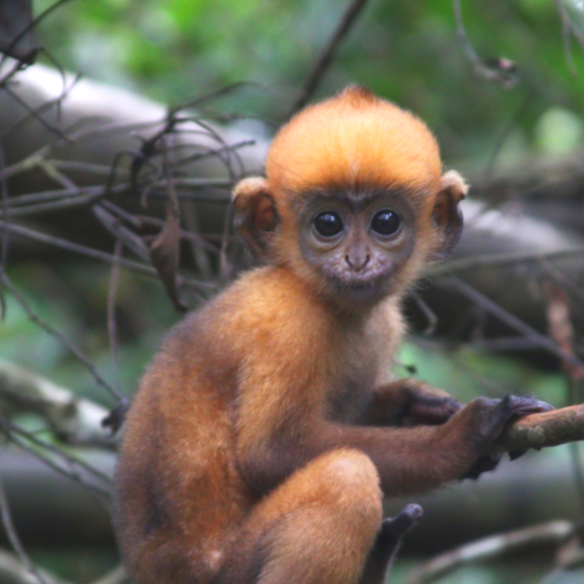
Primate Natal Coat Colouration
#

The explanation for animal colours can sometimes seem obvious–conspicuous male colours are thought to be for attracting mates and drab colours function for camouflage. However, there are some cases that present a mystery. Some infant animals are brightly coloured, the exact opposite of what one would expect for an animal at the most vulnerable time in its life. At New York University, I study the evolution of conspicuous colouration in primates, as part of the NYU Primatology Reproduction and Evolution Group with Prof. James Higham.

Sensory Ecology & Parrot Colour Evolution
#

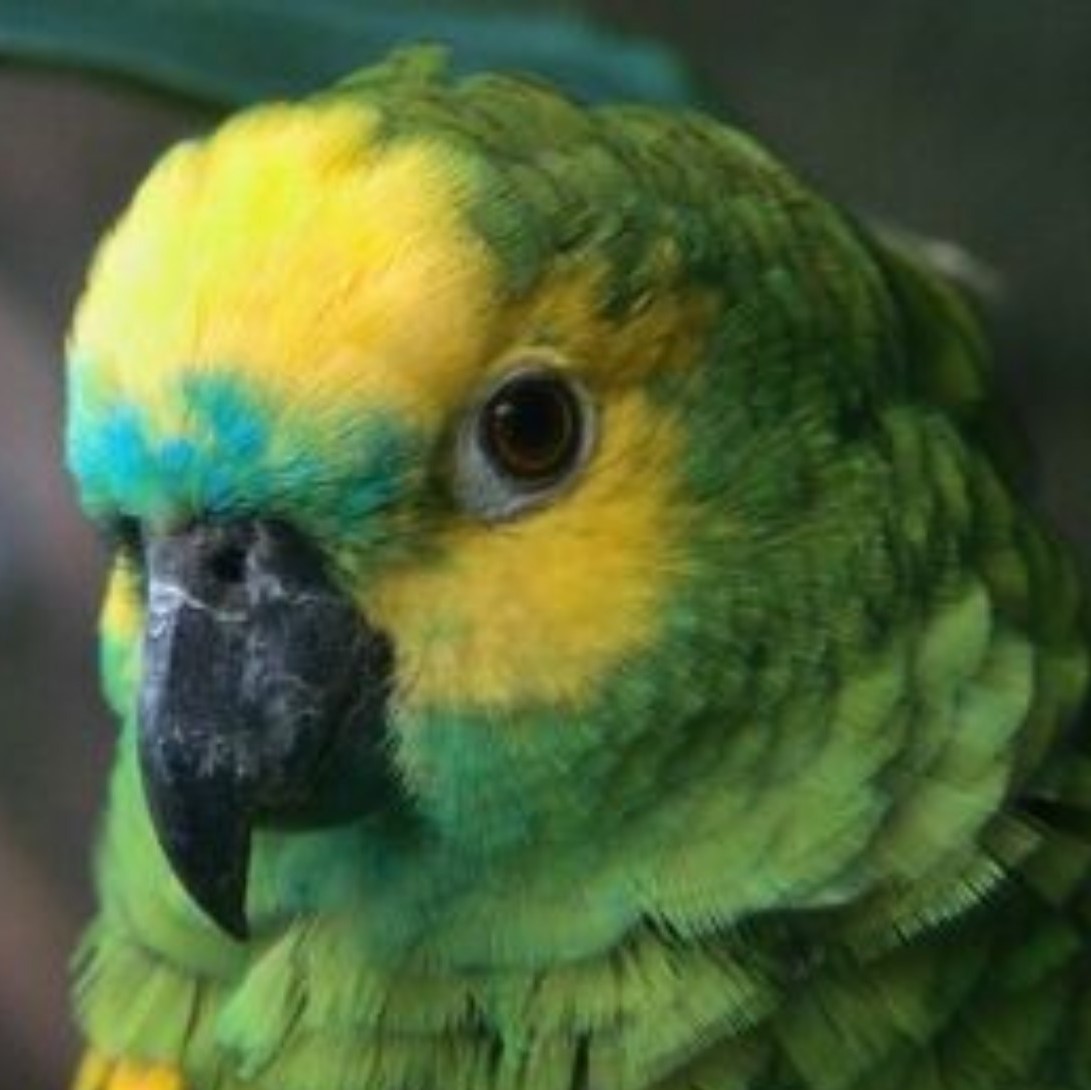
No facet of biodiversity is more striking than the resplendent variety of animal colouration. Thus, understanding the mechanisms and functions underlying this variety is pivotal to understanding biodiversity itself. For my PhD in the Stoddard Lab at Princeton University, I studied the ecology and evolution of plumage colouration in parrots, arguably the most social, vocal, intelligent and colourful birds.

Functional Diversity
#

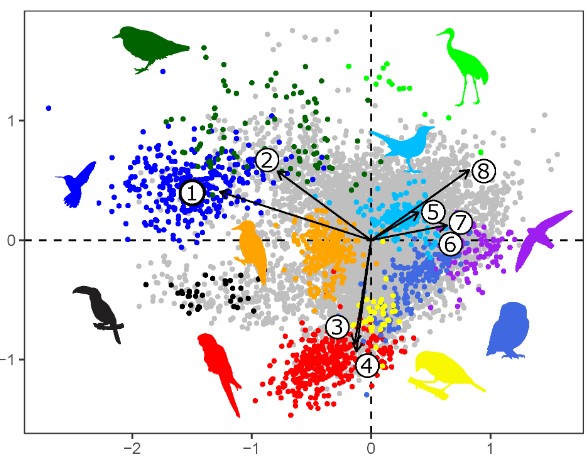
As a master’s student at Imperical College London (Silwood Park, supervised by Dr Joe Tobias and co-supervised by Dr Ben Blonder), I studied the properties of the avian hypervolume, which exists within a functional space whose axes are defined by traits or principal components of traits. In these spaces, each point represents the data for a single species. In the case of the avian hypervolume, I showed that threatened species are more functionally unique (have more unique combinations of traits) than non-threatened species. This means that impending extinctions will cause more loss of functional diversity (variety of traits) than if extinction were to occur randomly. This work might also help identify species of conservation importance.

Invasion Ecology & Social Behaviour
#

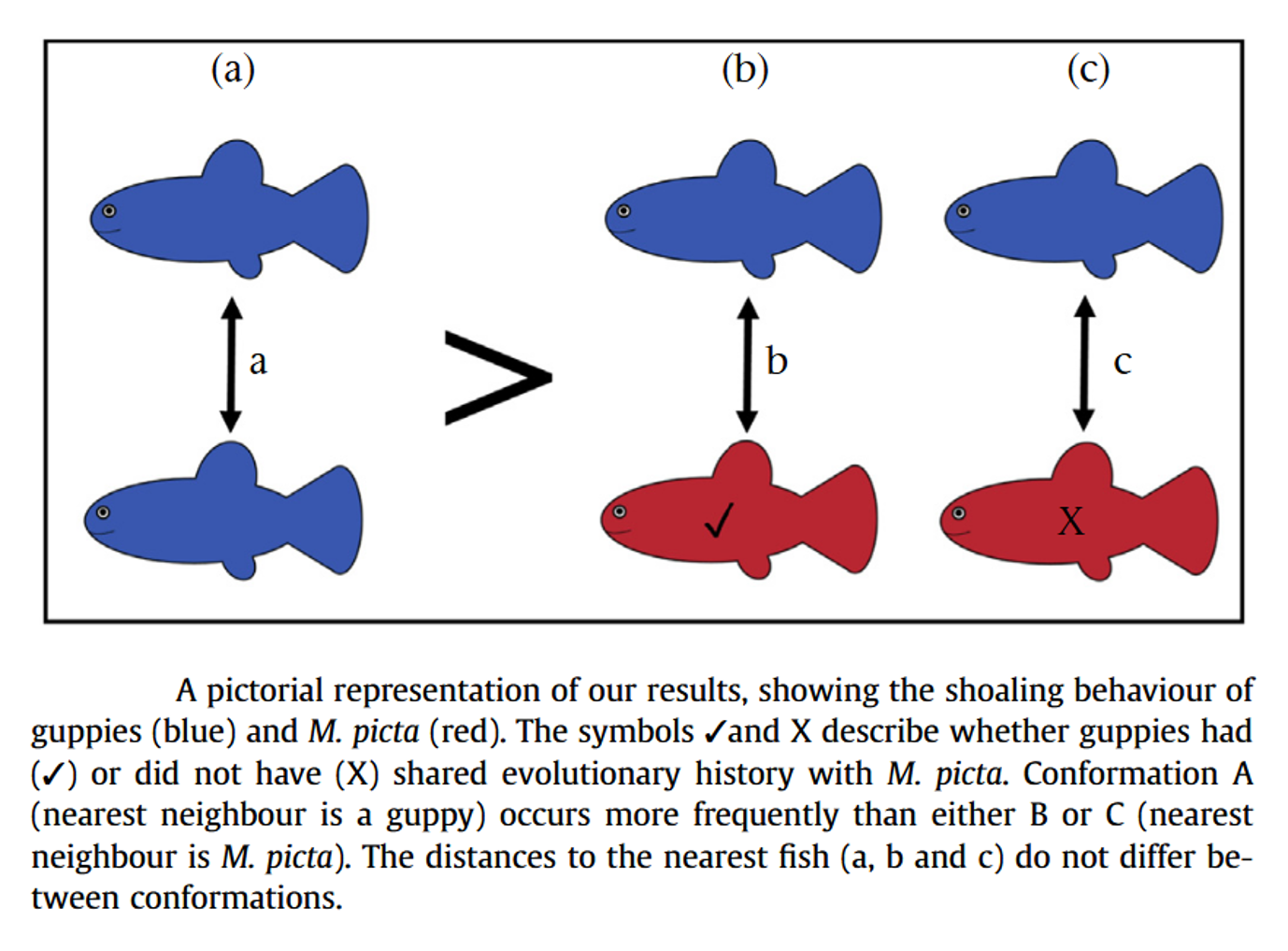
Guppies have an extraordinary capacity to invade new environments. Native to Trinidad and north-east South America, guppies have now spread to every continent except Antarctica. I worked with Dr Amy Deacon at the University of the West Indies to study how social behaviour (shoaling) might be affected by the presence of other species, and if familiarity with that species changes this relationship. I also carried out experiments that examined whether guppies are good mosquito control agents. I use guppies as a model system for behavioural experiments, looking at shoaling behaviour and the transmission of information between species.

Speciation & Morphometrics
#

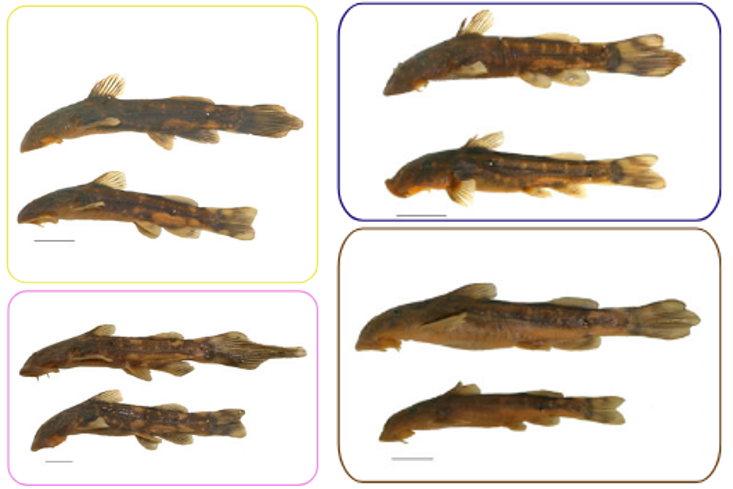
Photograph of some of the catfish studied as part of this project.
For my undergraduate dissertation, I worked with Dr Julia Day and Dr Antonia Ford to test whether there were morphological differences among populations of a suckermouth catfish (Chiloglanis anoterus). Using geometric morphometrics, we found that significant morphological differences existed only among male tail morphologies for different populations. Combined with genetic data, this is an exciting example of sexual selection in the process of generating new species.

Publications
#

2025

  • Price-Waldman, R. M., Ali, J. R., Shultz, A. J., Hogan, B. G., & Stoddard, M. C. (2025). Hidden white and black feather layers enhance plumage coloration in tanagers and other songbirds. Science Advances
  • Morrison, E.S., … , Ali, J. R., … & Shultz, A.J. (2025) Geographical variation in signals and responses: individual identity signals linked with capacity for individual face learning across Polistes fuscatus wasp populations. PloS one

2024

  • Weise, C., Ali, J. R., Ortiz, C.C., Tibbetts, E.A. (2024) Geographical variation in signals and responses: individual identity signals linked with capacity for individual face learning across Polistes fuscatus wasp populations. Animal Behaviour

2023

  • Ali, J. R., Blonder, B, Pigot, A. L. & Tobias, J. A. (2023) Bird extinctions threaten to cause disproportionate reductions of functional diversity and uniqueness. Functional Ecology

2022

  • Tobias, J. A., … , Ali, J. R., … & Schleuning, M. (2022). AVONET: morphological, ecological and geographical data for all birds. Ecology Letters, 25(3), 581-597.

2018

  • Ali, J. R., Deacon, A. E., Mahabir, K., Ramnarine, I. W., & Magurran, A. E. (2018). Heterospecific shoaling in an invasive poeciliid: shared history does not affect shoal cohesion. Animal Behaviour, 138, 1-8.

2015

  • Morris, J., Ford, A. G. P., Ali, J. R., Peart, C. R., Bills R., & Day, J. J. (2015) High levels of genetic structure and striking phenotypic variability in a sexually dimorphic suckermouth catfish from the African Highveld. Biological Journal of the Linnean Society.

Scicomm
#

Some of this probably belongs in the blog section, or the other way around. Reorganisation is in progress.

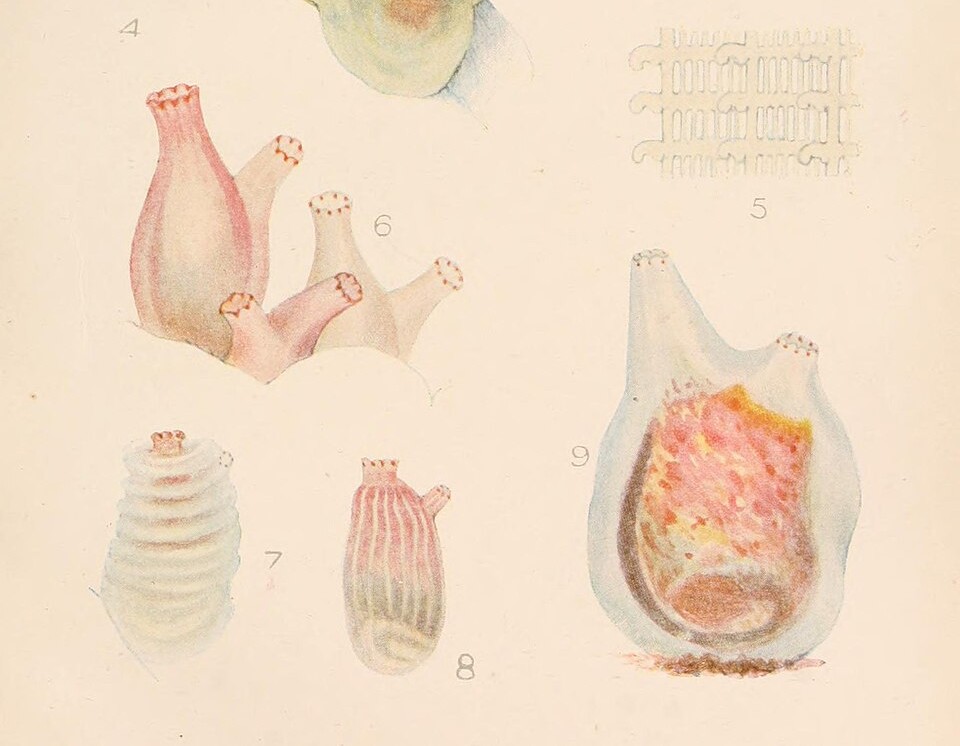
Article: Sea squirts and the origin of the vertebrate brain
#

Description of image

My second article for Princeton Insights! This time I delve into what studying the nervous system of sea squirts can tell us about how complex brains originated. Photo: Biodiversity Heritage Library.

Read more here.

Podcast episode: nonspectral colours
#

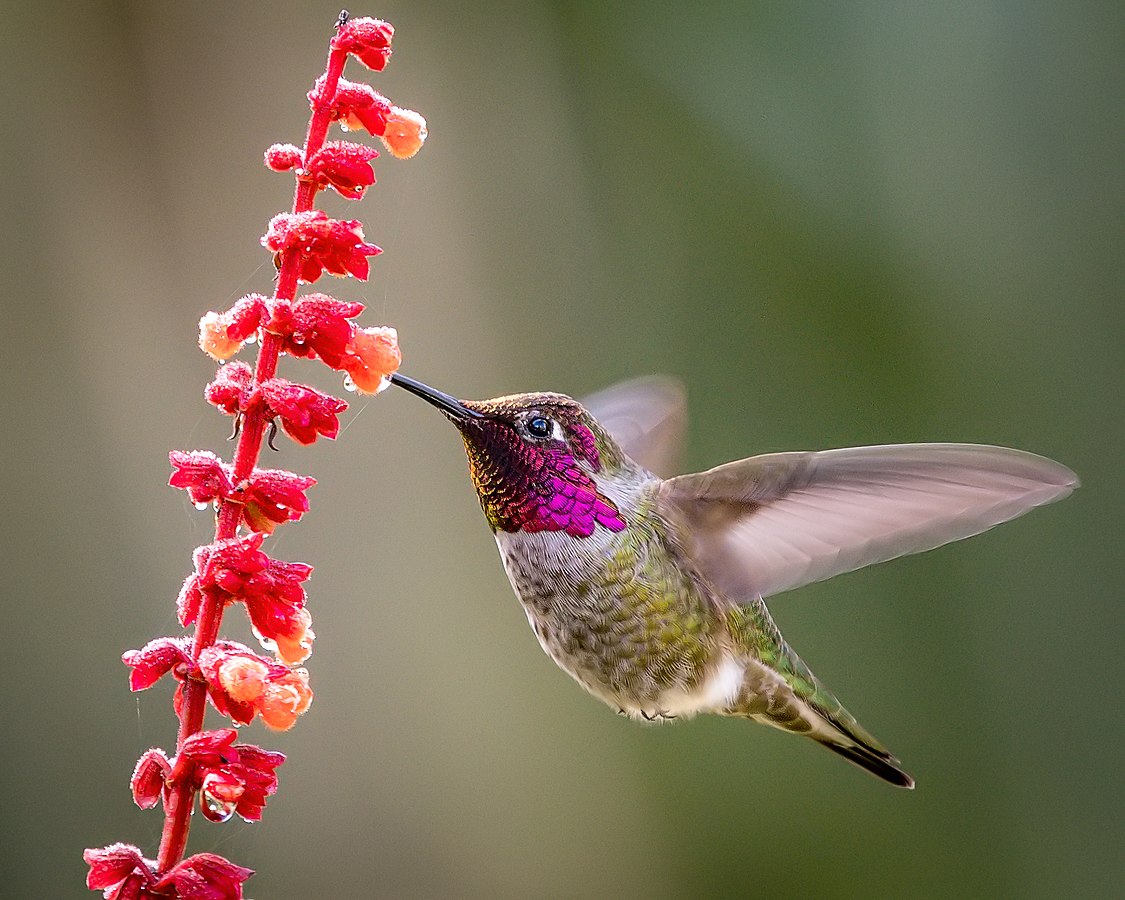
I co-hosted a podcast for the first time! This was a follow-up to an article I wrote about hummingbird vision. I spoke with Dr Cassie Stoddard (my PhD advisor) about the experiments she did to determine if hummingbirds can see colours that are not in the rainbow–nonspectral colours!

Listen to find out more.

Article: Prince, perception and purple
#

My first article for Princeton Insights! I explore how behavioural experiments are teaching us what colours hummingbirds can and can’t see. Image by Becky Matsubara on Flickr.

Read more here.

Outreach
#

(still building out this section)

Embankment Coalition
#

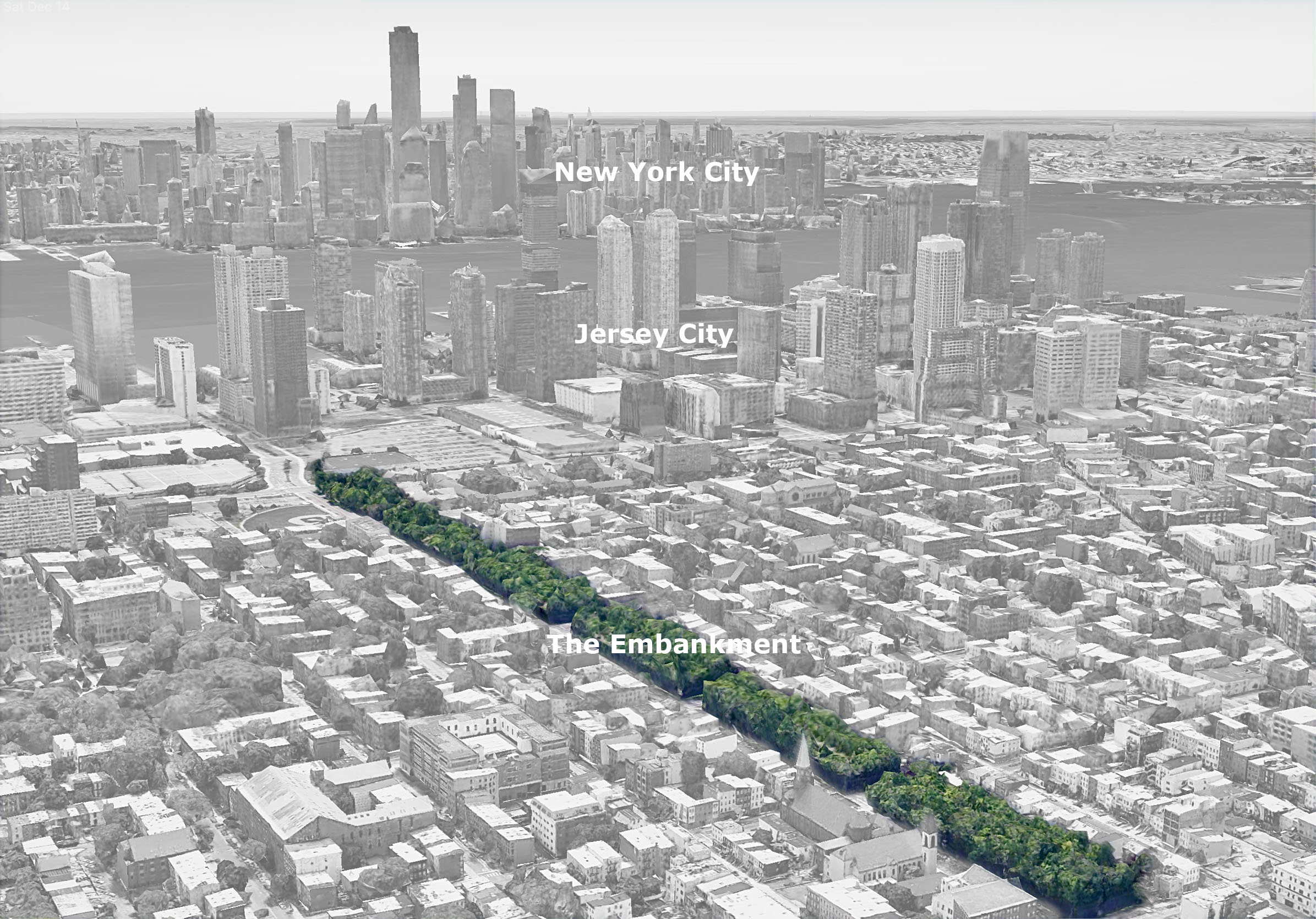
I am lucky to assist with public outreach via sensory walks which I lead along the Jersey City Embankment. The goal is to help members of my community engage with a space that is being developed as a green haven for the city, while talking about sensory ecology science! For example, what are the visual properties of a tree versus a brick wall? And, unironically, how does that make you feel? Image via the Embankment Coalition. Find out more here.

Princeton EEB Scholars
#

The Princeton EEB Scholars Program serves students historically excluded from EEB, and aims to demystify the graduate school application process, as well as prepare these students for grad school interviews. I was lucky to be coordinator for two years. Image by Ken Lund.

Letters to a Pre-scientist
#

Letters to a pre-scientist connects Stem professionals with students. This is a super rewarding pen pal experience! It was really exciting to learn about my pen pal’s passions and dreams, and do my best to help grow his love for science!